A buyer scrolling county-level headlines this summer would be forgiven for thinking Snohomish has loosened up. Inventory is climbing, prices have leveled off in places, and every market update repeats the same line about buyers finally catching a break. Then that same buyer submits an offer on the one Snohomish home they actually wanted, and three other offers land the same afternoon.
That gap between the headline and the offer sheet is not a fluke. It is the thing worth understanding before you compare Snohomish to Lake Stevens or Monroe on price alone.
The Number That Contradicts The Headline
Northwest Multiple Listing Service's July 2026 Market Snapshot shows Snohomish County's active listings up roughly 35 percent compared to a year earlier, one of the largest inventory increases of any county the service tracks. Read alone, that number says buyers should have room to negotiate.
But NWMLS also tracks months of supply, which measures how long it would take to sell every listed home at the current sales pace. A balanced market runs four to six months. As of the July 2026 snapshot, Snohomish County sat at 3.01 months, one of the tightest readings among the 27 counties NWMLS covers, trailing only Kitsap County at 2.28. Snohomish County's median sale price for the month was $719,000, the third highest in the state behind San Juan and King counties.
Inventory went up. The market did not loosen at the same rate. More homes got listed, and buyers absorbed enough of them to keep supply thin.
More listings do not automatically mean more leverage. They mean more homes to sort through before you find the one still worth competing for.
Why One City Number Hides Three Different Markets
The county figure is an average of very different behavior. Nowhere is that clearer than inside the city of Snohomish itself, where the local housing stock splits into three segments that respond to inventory in almost opposite ways.
| Segment | How supply behaves | What it means if you're comparing towns |
|---|---|---|
| Historic core along First Street | Fixed by design review and historic protection, rarely turns over | County inventory growth barely touches this segment |
| Acreage belt east and south of town | Thin, specialized buyer pool searching regionally, not by city | Supply and demand move on their own schedule, unrelated to countywide trends |
| Newer development off Bickford Avenue | Ordinary suburban resale, the segment competing directly with Lake Stevens and Monroe | This is where the extra inventory actually shows up and gives buyers real room |
If you're weighing Snohomish against a neighboring town using a single median price, you're really comparing a blend of these three markets to a single, more uniform one elsewhere. That blend is exactly why the county's loosening inventory story does not land the same way in every part of Snohomish.
The Historic Core Can't Add Inventory No Matter What The County Does
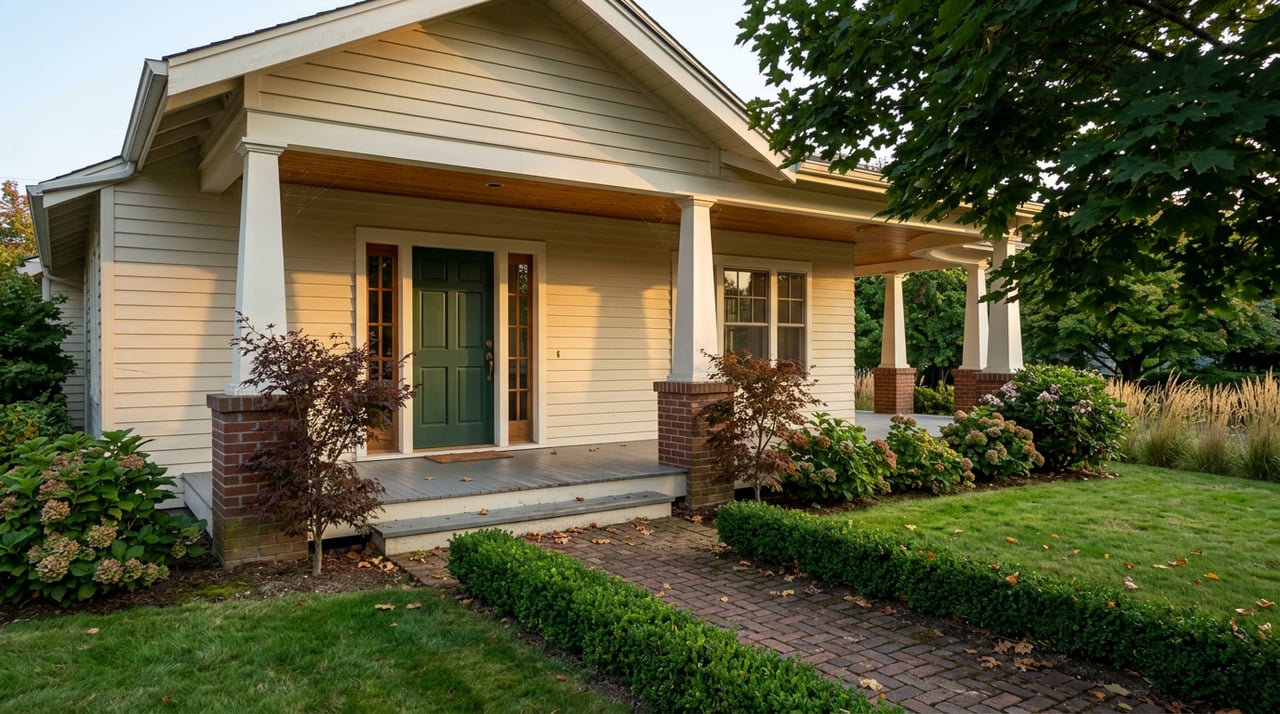
Snohomish's historic district covers 26 blocks along the riverbank and has sat on the National Register of Historic Places since 1974, following a city ordinance that established the district and its design review board the year before. That review process controls what happens to the Victorian and craftsman buildings inside the boundary, which is a large part of why the district's homes rarely list and why prepared buyers compete hard when one does.
The city spent this past spring fighting over how much of that streetscape it could even touch. A draft First Street Master Plan that came before the city council in early March 2026 proposed replacing curbs, sidewalks, and the century-old cement lamp posts with a curb-less, tree-lined design built around brick paving. Long-time residents pushed back in local letters, arguing the plan risked smoothing over the character that makes the street worth visiting in the first place. Whatever the council ultimately decided, the fight itself underscores the point. This is a market where the physical footprint is capped and even sidewalk changes draw a public battle. A countywide inventory jump does not create new Victorian-era lots.
The commercial side of that same district supports more than 175 antique dealers along First Street, a density that keeps the area functioning as a destination rather than a passthrough. That kind of concentrated, protected commercial identity adds to the scarcity pricing on the residential blocks around it, since buyers are paying for proximity to something that cannot be replicated a few miles away.
The Acreage Belt Plays By Its Own Clock
East and south of downtown, the valley floor and surrounding hills carry hobby farms, equestrian properties, and view parcels. These homes price on land, water rights, outbuildings, and usability rather than square footage comps, and the buyers shopping this segment tend to search regionally rather than by city limits. That means a countywide swing in listing counts barely registers here. A handful of extra suburban resales elsewhere in the county does nothing for a buyer trying to find ten acres with a working well and a shop.
One detail worth checking before you fall for a rural-adjacent address: the Snohomish School District spans about 128 square miles and serves a semi-rural area that extends well past the city limits into that acreage belt. Some properties well outside downtown still feed Snohomish schools, and some do not. If school assignment matters to your decision, verify it address by address rather than assuming based on the mailing address alone.
Bickford Avenue Is Where The County's Extra Inventory Actually Shows Up
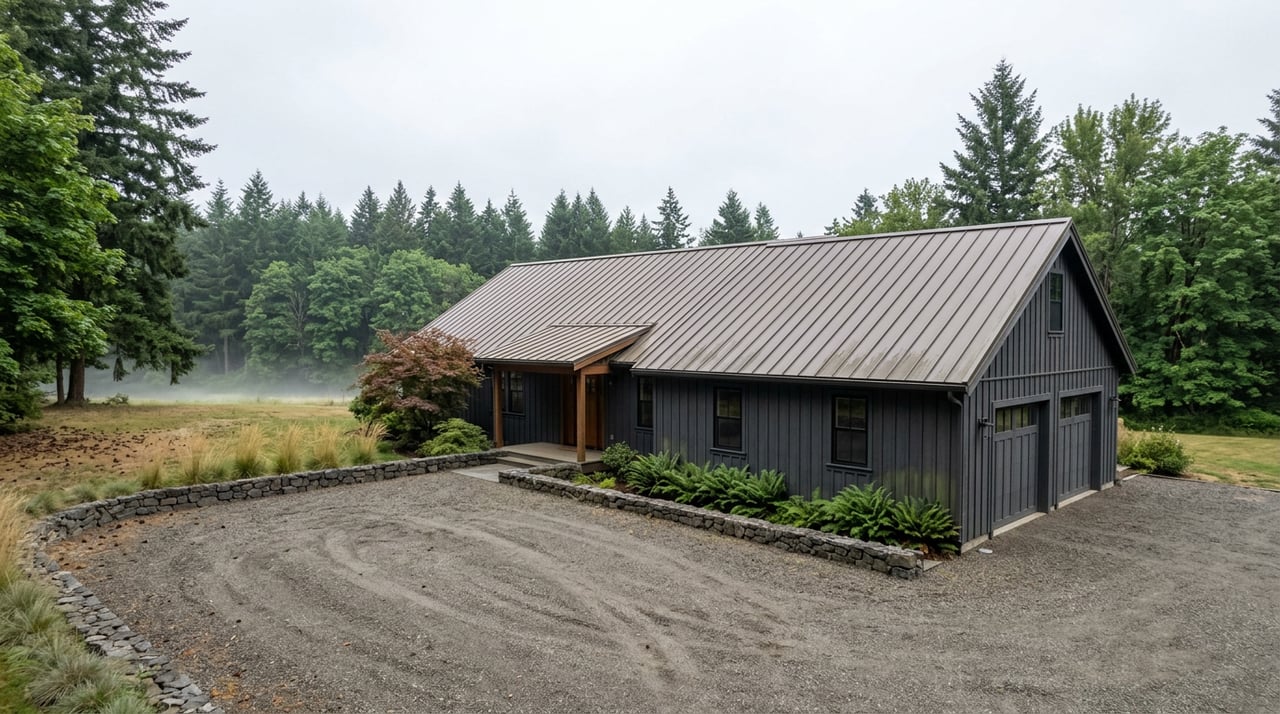
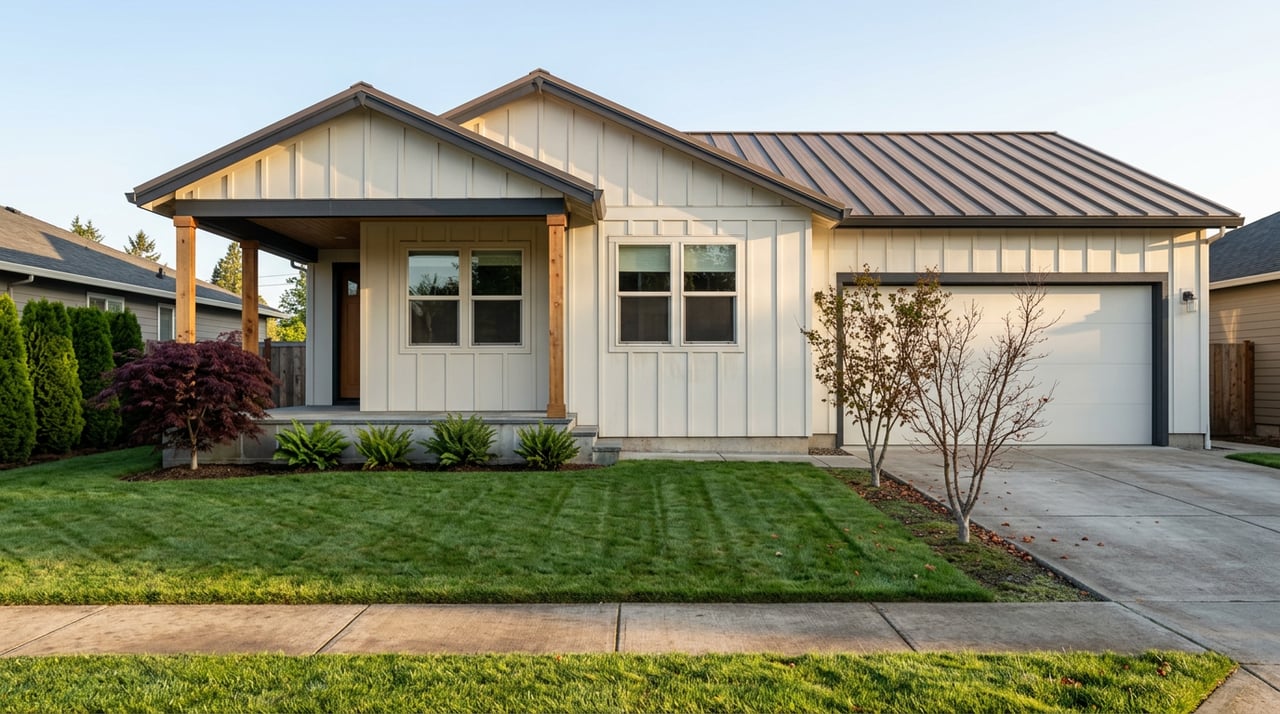
The newer development on the hills above downtown, much of it along Bickford Avenue, is the segment that behaves like a conventional suburb. This is ordinary resale housing that competes directly with Lake Stevens and Monroe on price and commute, and it is where most of the city's actual transaction volume happens.
It is also the segment where the county's inventory growth has room to matter. If you're cross-shopping Snohomish against a nearby town on a straightforward single-family resale, this is the part of the market that's actually loosening, and it's worth asking your agent to pull comps specifically from this stock rather than blending in historic district sales that behave nothing like it.
What This Means If You're Comparing Snohomish To A Neighboring Town
- Ask which segment a listing belongs to before comparing its price to a countywide median. A $750,000 acreage parcel and a $750,000 Bickford-area resale are not competing in the same market.
- If you want negotiating room, look at conventional resale stock first. That's where added inventory is most likely to translate into price flexibility or seller concessions.
- If you're drawn to the historic core, plan to move fast and skip assuming a soft county market buys you time. Fixed inventory does not wait for you to finish comparing spreadsheets.
- If acreage is the goal, verify school assignment, well and septic condition, and access before you fall in love with the view. These properties trade on details a standard suburban comp sheet won't surface.
Rates Are Part Of This Story Too
None of this happens in a vacuum of financing. Freddie Mac's Primary Mortgage Market Survey put the average 30-year fixed rate at 6.67 percent as of August 13, 2026, down slightly from the prior week but still shaping what a given price actually costs monthly. At Snohomish County's price points, even small rate shifts change what a buyer can comfortably offer, which is one more reason the segment you're shopping matters more than the county median. A rate move that barely dents a Bickford-area payment can be the difference between comfortable and stretched on an acreage property carrying its own well, septic, and outbuilding maintenance.
A Few Questions Worth Asking Before You Compare Towns
Does more countywide inventory mean I can lowball an offer in downtown Snohomish? Not reliably. The historic core's supply is capped by design review and rarely produces new listings, so competitive pricing for a prepared buyer is often the more realistic strategy there.
Is every property near Snohomish automatically in the Snohomish School District? No. The district covers a large semi-rural footprint that extends past the city limits, but boundaries vary by address. Confirm assignment directly rather than assuming based on a Snohomish mailing address.
Where should I actually expect more negotiating room this year? The conventional resale stock, particularly the newer development along Bickford Avenue, is the segment most connected to the county's broader inventory increase.
If you're weighing Snohomish against Monroe, Lake Stevens, or another Snohomish County town, the comparison only makes sense once you know which of these three markets you're actually shopping. I walk buyers and sellers through exactly that kind of segment-by-segment read every week. If you'd like to talk through what your budget actually buys in each part of Snohomish, or how current rates change that math, Jennifer Schultz is ready to help. Let's Connect.