Are you drawn to the idea of living where you can walk past historic storefronts, grab coffee close to home, and end the day with river views? If that sounds like your pace, living near Historic Downtown Snohomish may be worth a closer look. This area offers a distinctive mix of older homes, small-town routines, and easy access to local events and outdoor spaces. Let’s dive in.
What Living Near Downtown Feels Like
Historic Downtown Snohomish has a setting that feels different from a newer planned neighborhood. The city describes the district as a preserved commercial core with late-19th- and early-20th-century buildings, mixed uses, and strong pedestrian activity. The commercial area sits along the riverbank, with residential streets generally north of the core and mixed-use blocks to the east.
If you live nearby, that layout can shape your day-to-day routine. Instead of a purely residential environment, you are closer to storefronts, local services, and community activity. It creates a more connected, main-street feel that many buyers find appealing.
Historic Homes and Local Character
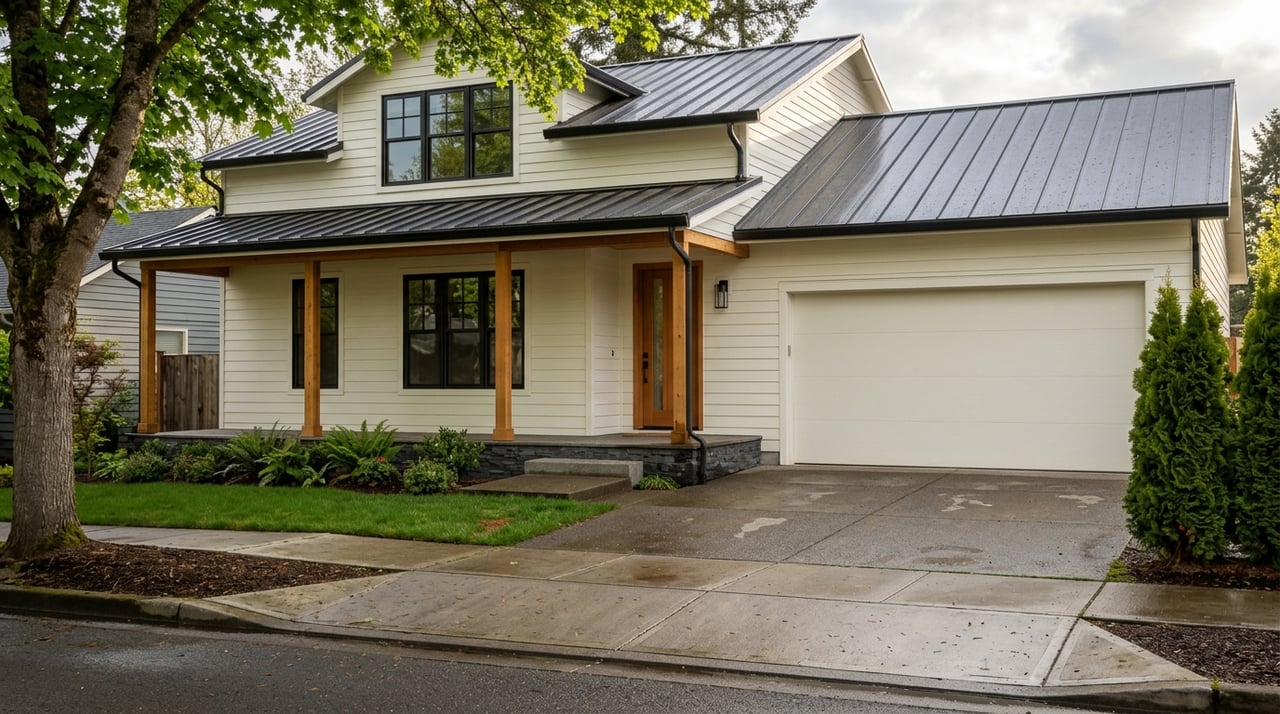
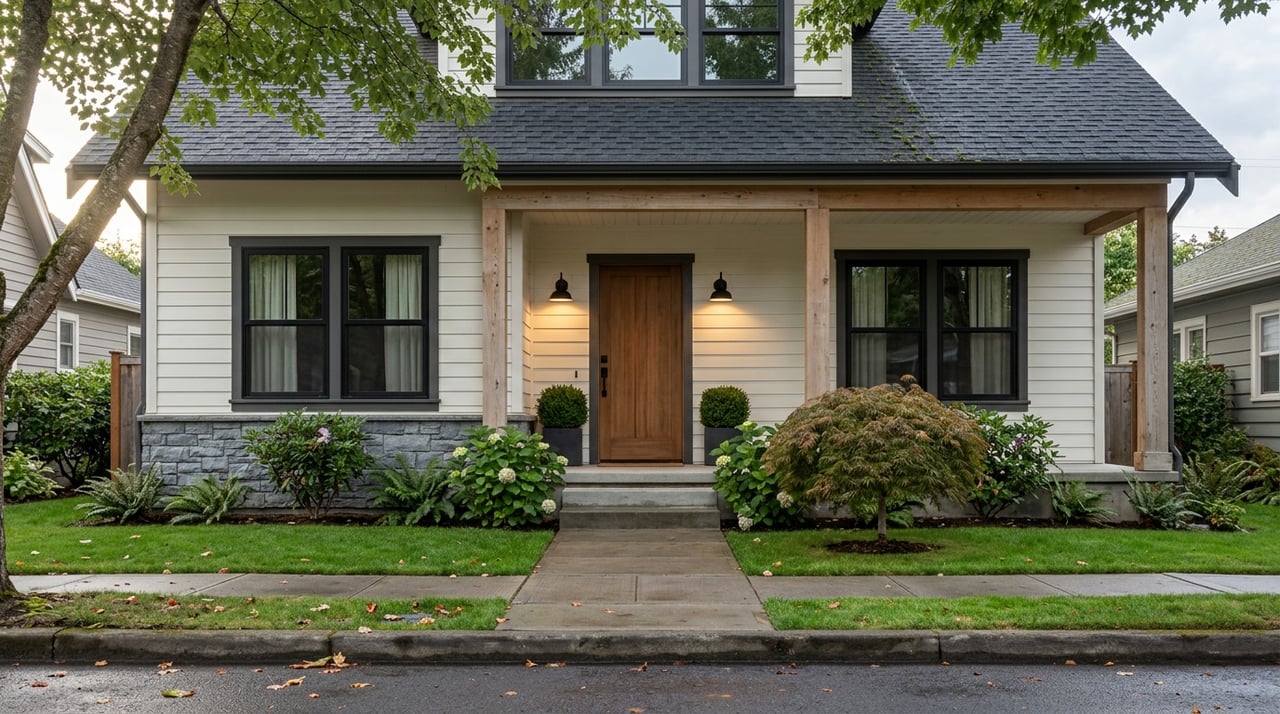
One of the biggest draws of this area is its housing character. Residential streets around the district include homes dating from the 1860s to the present, with many built before 1920. Common architectural styles include Craftsman Bungalow, Queen Anne Victorian, Colonial Revival, and Italianate.
For you as a buyer, that often means more personality and variety from one home to the next. It can also mean older construction, established lots, and details you may not find in a newer subdivision. If you want a home with a distinct sense of place, this part of Snohomish stands out.
Walkability and Everyday Convenience
Downtown Snohomish is known for more than antiques today. The city points to a broader mix of boutiques, coffee shops, bars, restaurants, and professional services, while the district directory includes places like Grain Artisan Bakery, Everything Tea, First & Union Kitchen, Cathouse Pizza, Heidi's Sandwichboard, A Bit of Taste, Edit: An Olive & Bloom Co., and Arts of Snohomish Gallery.
That business mix supports simple daily routines close to home. You may be able to handle coffee runs, casual meals, gift shopping, and some errands without going far. It does not guarantee a fully car-free lifestyle, but it does support a more walkable and locally oriented pattern for many residents.
Parking Is Easier Than You Might Expect
Parking can be a concern in historic downtown areas, but Snohomish offers a practical advantage here. According to HDSA, most of downtown has free street parking without time limits. There is also additional free parking at the Carnegie Building and City Hall at certain times, along with posted accessible spaces.
For electric vehicle owners, there are four EV charging stations on First Street west of Avenue D. That combination can make visits, errands, and hosting guests more manageable than you might expect in a historic district setting.
Riverfront Access Adds Everyday Value
One of the best lifestyle features near downtown is how closely the river is woven into the area. The Riverfront Trail is a 0.3-mile paved path along the north bank of the Snohomish River from Avenue D to Cady Park. The city describes it as a quiet downtown escape with benches, interpretive signs, and an alternate route to First Street.
This is not a long training trail. It is better thought of as a scenic walk, a quick breather in the middle of the day, or a peaceful evening stroll. If you value having water views and outdoor space nearby, that small detail can make a big difference in how a neighborhood feels.
Cady Park and the Riverfront
Cady Park extends that river connection. It offers direct access to the trail, plus a boat launch for non-motorized watercraft, a kayak rack, fishing, picnic tables, and water views. That makes the river feel like part of everyday life rather than a separate weekend destination.
For some buyers, that kind of access is a major quality-of-life benefit. It gives you an easy way to step outside, slow down, and enjoy the setting without needing to drive across town.
More Outdoor Options Nearby
If you want additional nature access, the Riverview Wildlife Refuge Trail offers walking and wildlife viewing in riparian habitat connected to the Pacific Flyway. The city says the refuge trail covers 2.3 acres of refuge and extends to another 71 acres. For longer outings, the city also highlights the regional Centennial Trail for biking, walking, or skating.
Together, these options give you a mix of short scenic walks and bigger outdoor plans. That variety can be especially appealing if you want a home near downtown without giving up access to open-air recreation.
Community Events Shape the Lifestyle
Living near Historic Downtown Snohomish is not just about architecture or location. It is also about the rhythm of the community. As of June 2026, HDSA's calendar includes events such as Community Cleanup Day, an Independence Day flag procession, and Kla Ha Ya Days Outdoor Movie Night.
The city also points to recurring downtown events like Kla Ha Ya Days, the Snohomish Farmers Market, the Snohomish Block Party, and Snoho Art Walk. Kla Ha Ya Days has more than 100 years of history, which says a lot about how rooted these traditions are in local life.
A Social, Strolling Main Street
Seasonal events like wine walks, Santa in the Shops, Pride programming, and outdoor movie nights add to the district’s social energy. Many of these events are built around walking from shop to shop. That reinforces downtown’s role as a gathering place, not just a retail strip.
If you enjoy places where the neighborhood feels active and familiar, this can be a strong fit. You may find that the events calendar becomes part of why the area feels special year-round.
The Carnegie Building and Ongoing Investment
The Carnegie Building is another important downtown landmark. The city describes it as a 1910 historic place in the heart of downtown that is used for events and rentals. It helps anchor community activity while reinforcing the historic identity of the district.
Downtown stewardship is also supported through the city’s PBIA program, which funds beautification, event promotion, safety, district management, and business support. On top of that, the city is advancing the First Street Master Plan, focused on utilities, sidewalks, parking, lighting, crosswalks, and better connections to parks, the riverfront, and trails while preserving historic character.
For you as a buyer, this suggests a downtown that is both preserved and still being improved for modern use. That balance matters when you are choosing a neighborhood for the long term.
Getting Around From Snohomish
Snohomish sits at the nexus of Highway 9 and Highway 2, which supports regional access by car. HDSA also says Historic Downtown Snohomish is about a 30-minute drive from Seattle. That can make the area appealing if you want a small-town setting while staying connected to larger job and activity centers.
Transit is part of the mix too. Community Transit service connects Snohomish riders to Everett Station and other hubs, and as of June 13, 2026, Route 424 was replaced by Route 908 between Snohomish and Bellevue, with a connection to Link 2 Line service for downtown Seattle.
For many households, though, a car will still likely play an important role in daily life. This is less about urban-style transit living and more about having options for regional travel while enjoying a compact historic core at home.
Who This Area Fits Best
Living near Historic Downtown Snohomish can be a great match if you want a character-rich home, a strong sense of place, and routines shaped by local businesses and community events. It may also appeal to you if riverfront walks, historic streetscapes, and small-town social energy matter more than newer-home uniformity.
It may be less ideal if you want a newer subdivision feel, highly standardized homes, or a lifestyle built around long-distance walking access to every daily need. Some historic buildings are also not ADA accessible, so accessibility can vary by storefront or event venue.
In short, this area tends to fit buyers who value charm, connection, and local identity. If that sounds like what you are looking for, downtown-adjacent Snohomish deserves a serious look.
If you want help comparing downtown-adjacent homes, understanding how one block may feel different from the next, or planning your move in Snohomish County, reach out to Jennifer Colwill. You will get clear guidance, local insight, and a practical plan built around your goals.
FAQs
What is it like living near Historic Downtown Snohomish?
- Living near Historic Downtown Snohomish often means being close to a preserved historic commercial core, older character homes, local shops and restaurants, riverfront paths, and recurring community events.
What types of homes are near Historic Downtown Snohomish?
- Homes near Historic Downtown Snohomish range from the 1860s to newer construction, with many pre-1920 homes in styles such as Craftsman Bungalow, Queen Anne Victorian, Colonial Revival, and Italianate.
Is Historic Downtown Snohomish walkable for daily errands?
- Historic Downtown Snohomish supports a walkable lifestyle for some daily activities, with coffee shops, restaurants, boutiques, and select services nearby, though it does not guarantee fully car-free living.
Is parking difficult near Historic Downtown Snohomish?
- Parking near Historic Downtown Snohomish is generally easier than many historic downtowns, with free street parking in most of downtown, added free parking at certain public locations, accessible spaces, and EV charging stations.
What outdoor spaces are near Historic Downtown Snohomish?
- Outdoor options near Historic Downtown Snohomish include the Riverfront Trail, Cady Park, the Riverview Wildlife Refuge Trail, and access to the regional Centennial Trail.
Are there community events in Historic Downtown Snohomish?
- Historic Downtown Snohomish hosts recurring events such as Kla Ha Ya Days, the Snohomish Farmers Market, Snoho Art Walk, block parties, cleanup days, and seasonal programming throughout the year.
Is Historic Downtown Snohomish a good fit for commuters?
- Historic Downtown Snohomish offers access to Highway 9, Highway 2, and Community Transit connections, which can support commuting, but many households will still likely rely on a car for regional travel.